


Sifr has touched on Frankincense before as part of the bigger incense story. In particular, the trade route it travelled, its place alongside Myrrh and Oud in that wider history. This is the zoomed-in version: frankincense and its botany, what actually happens once it reaches a church today, and a much more local, much less documented use of it that most people walking through Kampong Gelam probably have never heard of.
What Frankincense actually is
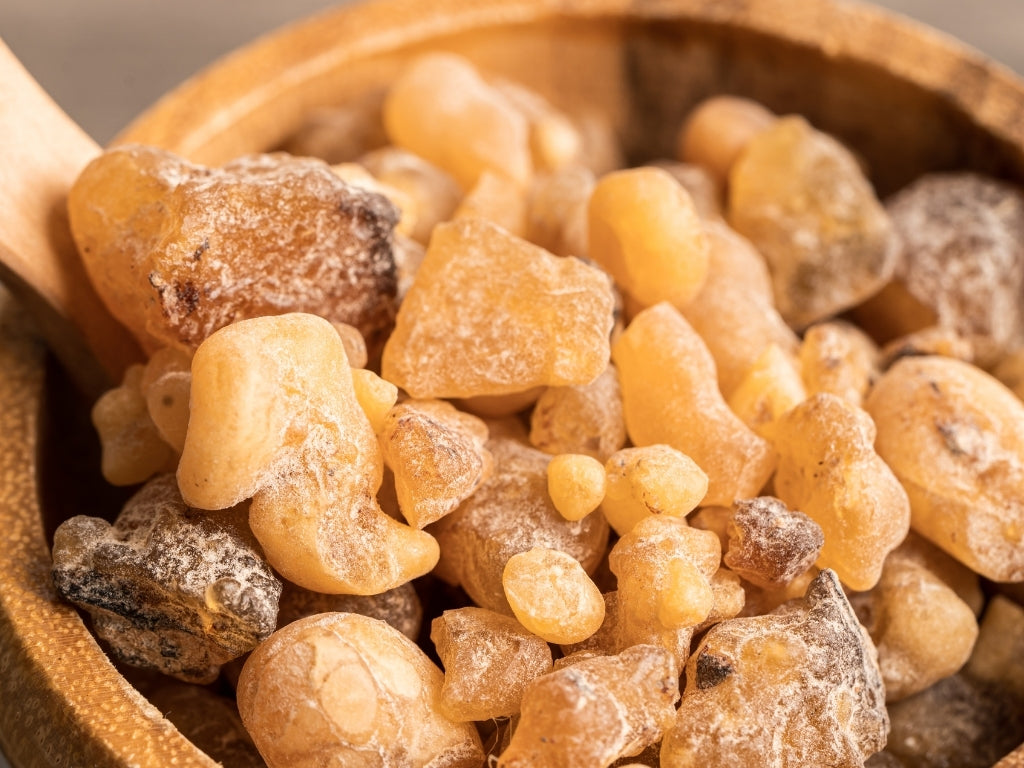
Frankincense is the dried resin, or "tears," of trees in the genus Boswellia, part of the same botanical family as myrrh (Burseraceae). Around twenty Boswellia species exist, but we will focus on one:
- Boswellia sacra — native to the Dhofar region of southern Oman and parts of Yemen, producing the pale, silvery grade generally considered the finest available.

The trees themselves grow out of bare limestone cliffs and rocky, near-soilless ground, in conditions that would kill most other plants, and tolerate extreme swings between daytime heat and near-freezing nights. Harvesters score the bark with a small tool, in Oman it's called a mingaf, and the tree responds the way skin responds to a cut, weeping a milky sap.
Left in open air for one to two weeks, that sap hardens into the irregular, amber-toned lumps known as tears. Pliny the Elder described essentially this same method in his Natural History two thousand years ago, and it has remained the same practise to this day.

Why it became so valuable
Frankincense has been a global trade commodity for more than five thousand years, moving out of southern Arabia and the Horn of Africa long before anything resembling the Silk Road existed. The kingdoms that controlled its production and transport got rich enough off it that Roman-era writers referred to the whole region simply as Arabia Felix or "fortunate Arabia." What made it worth that much wasn't scarcity alone; it was that for most of the ancient world, burned resin was one of very few ways people believed they could actually communicate with the divine, and Frankincense burned cleaner and more distinctively than almost anything else available.
Frankincense wasn't only valuable because it was rare and pretty. It was also valuable because entire religious systems built their sense of the sacred around what its smoke represented.
In churches, you'll see Frankincense resin burned in a thurible, a metal censer on chains and swung at set points in Catholic Mass (eg. the entrance procession, the Gospel, the offertory, the elevation of the host). Singapore's very own Catholic community, the Cathedral of the Good Shepherd on Queen Street, the country's oldest Catholic church, carries on that same practice today, no different from any Catholic church anywhere else in the world.

Kampong Gelam: Frankincense both practical tool and sacred one
Part of why Frankincense was so easy to come by in this particular neighbourhood has a very specific, well-documented reason behind it: Kampong Gelam was, for well over a century, Southeast Asia's main departure point for the Hajj. Bussorah Street, right by Sultan Mosque, was once known locally as Kampong Kaji or "Pilgrim Village" because it was where Muslims from across the region gathered before boarding ships to Jeddah.


By the mid-1900s, as many as 10,000 pilgrims a year were passing through, drawn from present-day Indonesia, Malaysia, Borneo, Thailand, and the Philippines, all converging on Singapore's port before the sea crossing. An entire support industry grew up around them along Bussorah Street and Arab Street; travel agents, money changers, lodging houses, religious classes run by respected sheikh hajis, and shops selling exactly what a pilgrim needed for the journey: prayer garments, money belts, and pilgrimage goods that included perfumes and incense burners. One of the last of these, V.S.S. Varusai Mohamed & Sons on North Bridge Road, has been trading since 1935 and still sells pilgrimage goods today.

Frankincense fit naturally into that inventory. It travels well, it's used in the Two Holy Mosques themselves, and it's exactly the kind of modest, portable devotional item a pilgrim setting off on a long, expensive, once-in-a-lifetime journey might carry or gift along the way. So for well over a hundred years, Kampong Gelam wasn't just a place that happened to sell incense. It was, quite literally, where the region's Muslim travellers stocked up before Mecca. That trade only wound down once air travel to Jeddah became affordable in the late 1970s and early 1980s, ending Kampong Gelam's role as an essential pilgrim stopover almost overnight.
Which brings the pest-control story into sharper focus. Long-time residents and traders around Kampong Gelam have described Frankincense being burned in the neighbourhood at dusk and dawn. This was not for scent or ritual, but as a practical, everyday measure against mosquitoes, particularly around the 1980s, before modern pest control was standard in the area. Given how much Frankincense was already moving through the district's shops for the Hajj trade right up until that point, a household or shopkeeper reaching for it as a mosquito deterrent isn't a stretch at all; it was simply already there, in quantity, long before anyone needed a dedicated reason to burn it.
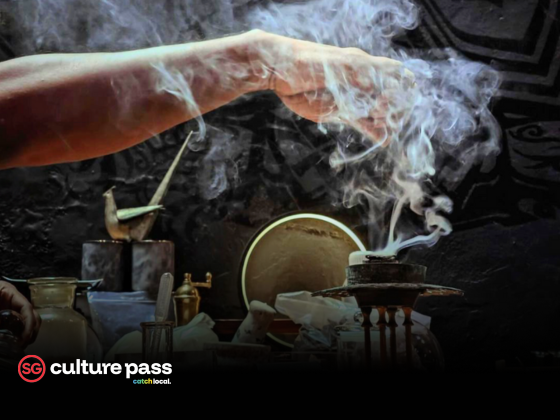
This also tracks with something genuinely documented about Frankincense outside of any religious or trade context: its smoke has real insect-repelling properties. Historical accounts describe the resin being burned to keep moths out of Egyptian grain silos, to drive mosquitoes and flies from Arabian homes, and by farmers in malaria-affected regions burning it around livestock paddocks. The smoke masks the scent that draws mosquitoes to people and animals, and clouds their flight path enough that they go looking elsewhere.
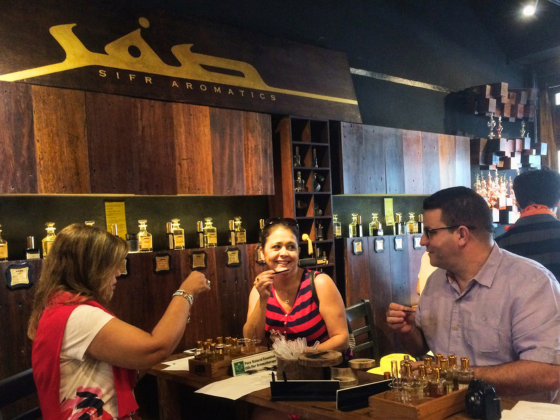
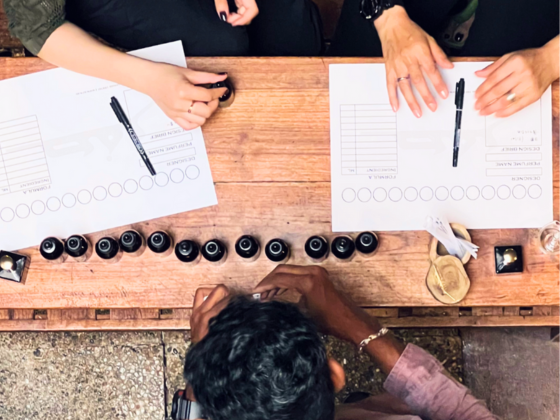
The pest-control detail itself is oral, community-level history and you can hear more about how incense, including frankincense, played a role in Singapore with Sifr's Perfumed By Smoke: An Incense Appreciation Journey. Hear stories from Johari Kazura and our staff about incense helped shaped culture, practises and its impact.
One material, two very different jobs
In one sense, Frankincense is the costliest, most sacred material a person can offer, worth swinging on chains through a cathedral every Sunday. In another, far more mundane sense in a place like Kampong Gelam, it was the smoke that kept the mosquitoes off at dusk and dawn.
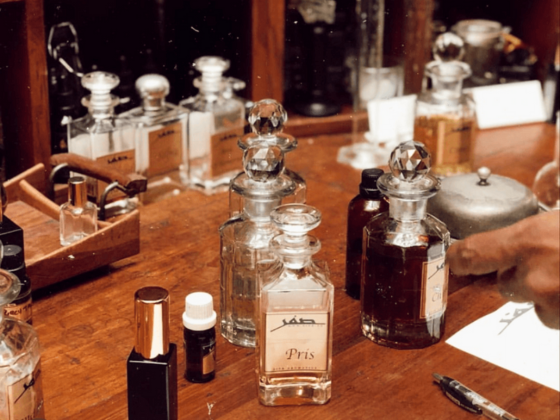
To try Frankincense and other incense materials for yourself, check out our Everyday Incense Kit, that comes with our teak wood incense burner, incense and resins. Perfect for beginners or those well versed in incense.

